
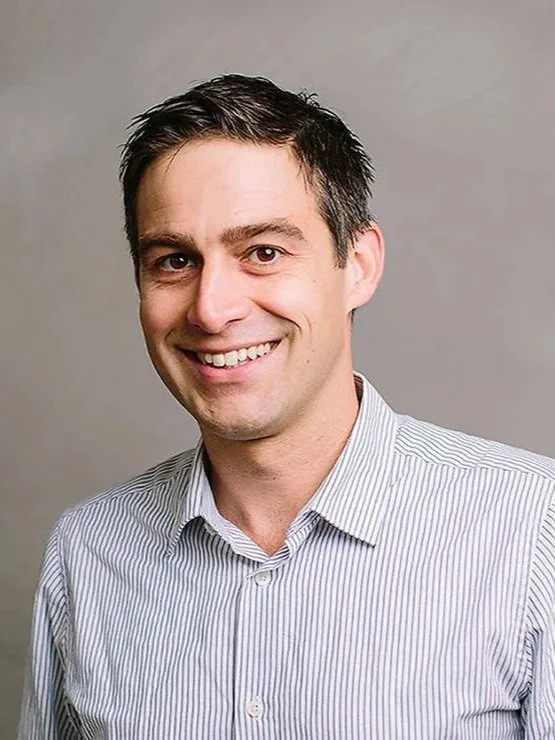
Billy Riggs
Professor, Director, Autonomous Vehicles and the City Initiative; University of San Francisco
Billy Riggs is an urban planning and mobility expert whose work focuses on shaping sustainable, equitable, and human-centered cities. With more than two decades of experience spanning urban planning, transportation, policy, management, and design, Riggs has built a career at the intersection of academia, government, and industry, advancing innovative solutions to some of today’s most pressing urban challenges. Riggs currently serves as Professor and Director of the Autonomous Vehicles & the City Initiative at the University of San Francisco, where he leads multidisciplinary research and education exploring the future of mobility, autonomous transportation systems, and urban transformation. His work emphasizes the role of cities and campuses as living laboratories for experimentation, collaboration, and leadership development.Throughout his career, Riggs has contributed to projects ranging from autonomous vehicle research with Waymo and Cruise, to planning net-zero and LEED-ND communities with Arup, to infrastructure design work with the United States Coast Guard. His international experience includes transportation strategy development for the Dutch national transportation ministry, Rijkswaterstaat, as well as leadership and collaboration on major European mobility research initiatives including SHOW, ULTIMO, and Diversify-CCAM.Known for bridging research, strategy, and implementation, Riggs works across sectors to address complex issues related to climate change, housing, transportation, economic opportunity, and social equity. In addition to his academic leadership, he advises startups, investment funds, and design ventures focused on clean technology, ESG strategy, and sustainable infrastructure innovation. Riggs is especially passionate about fostering public-private-philanthropic partnerships that create opportunities for experimentation and scalable impact. Through his teaching, research, and advisory work, he seeks to help communities reimagine cities not simply as systems or infrastructure networks, but as vibrant places where sustainability, equity, and quality of life can meaningfully converge.