
VX News is the editorial voice of the annual VerdeXchange Conference, featuring in-depth interviews with industry leaders and policymakers driving innovation in clean energy, water, transportation, and climate policy.
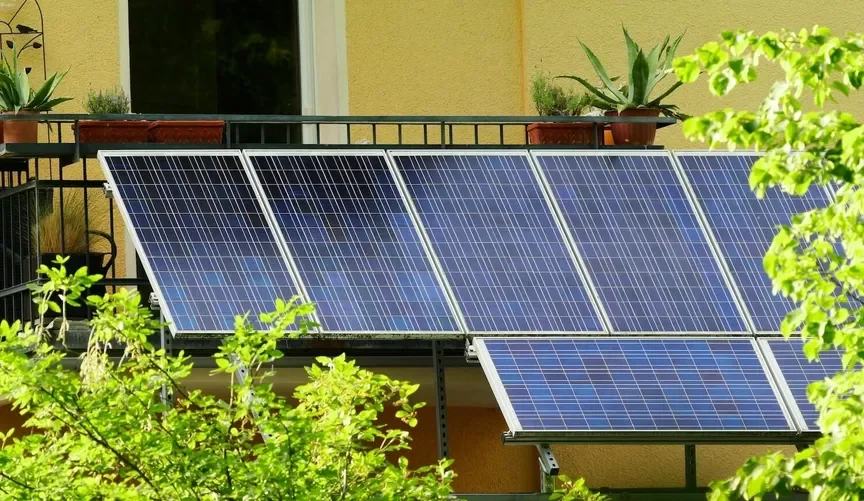
California Legislature passes balcony solar bill
VX News here excerpts a Canary Media report by Alison F. Takemura on the Legislature's passage of the Plug and Play Solar Act (SB 868, Wiener), which would let Californians install plug-in solar kits up to 1,200 watts without the utility interconnection process required of rooftop arrays. The bill awaits Newsom's action by September 30. Takemura notes two constraints: no product has yet met the UL 3700 certification the bill requires, and a sunset restores utility sign-off in 2030. Find the original, here.
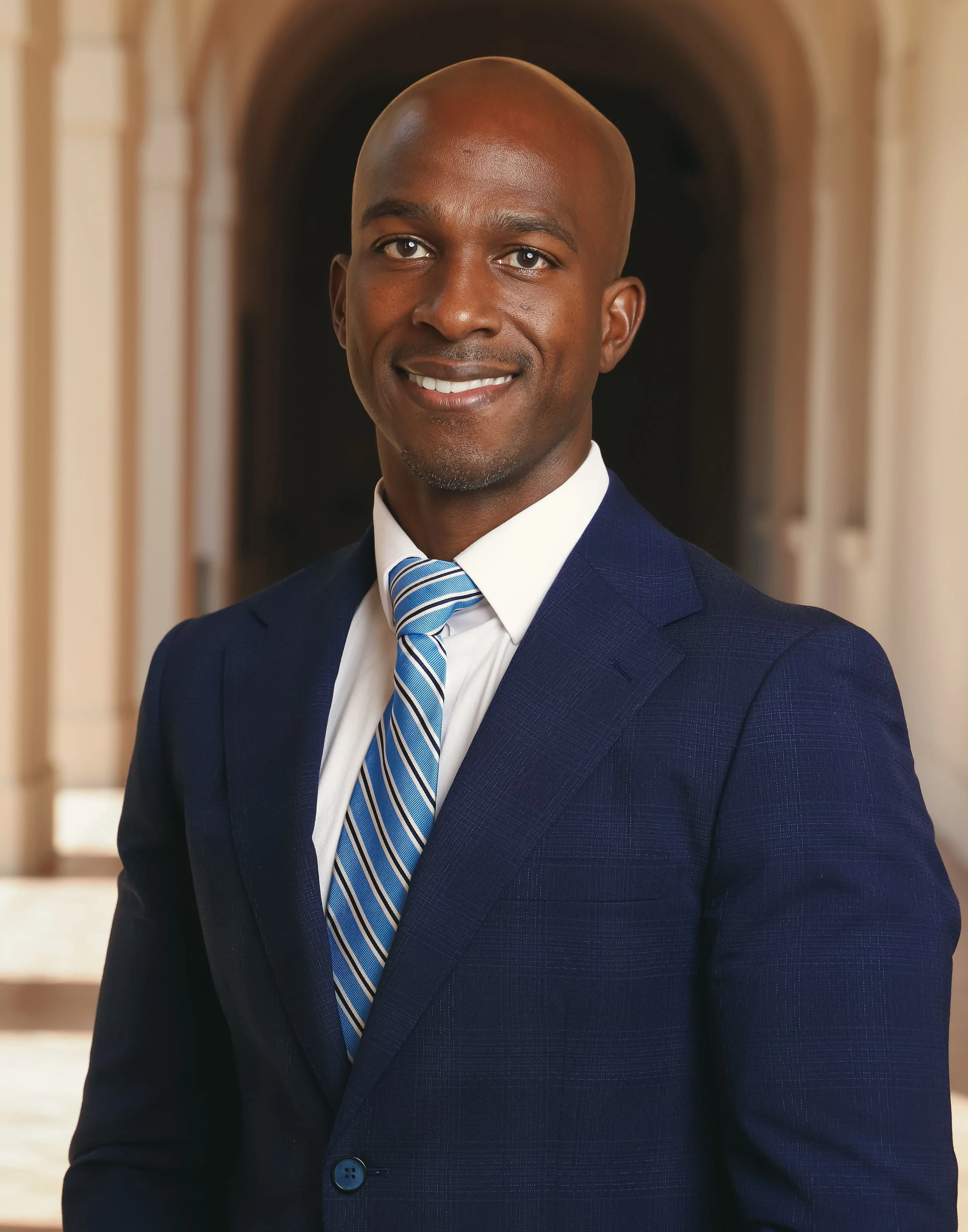
Airport Authority President Tyron Hampton on Burbank Airport’s New State-of-the-Art Replacement Terminal’s October 13th Opening
On October 13, Hollywood Burbank Airport will open a replacement passenger terminal a decade in the making—the first new terminal on the airfield since 1930, and one of the largest capital projects any Southern California joint powers agency has delivered this cycle. To offer readers an advanced preview of the new terminal, TPR spoke with Councilman Tyron Hampton, the Pasadena Councilmember elected in July to a one-year term as president of the Burbank-Glendale-Pasadena Airport Authority. The interview’s focus: 1) what a 14-gate, 355,000-square-foot building does and does not change, 2) how a three-city commission holds together under supermajority voting, and 3) what a deliberately small airport offers a region that is about to host the world in LA 2028.
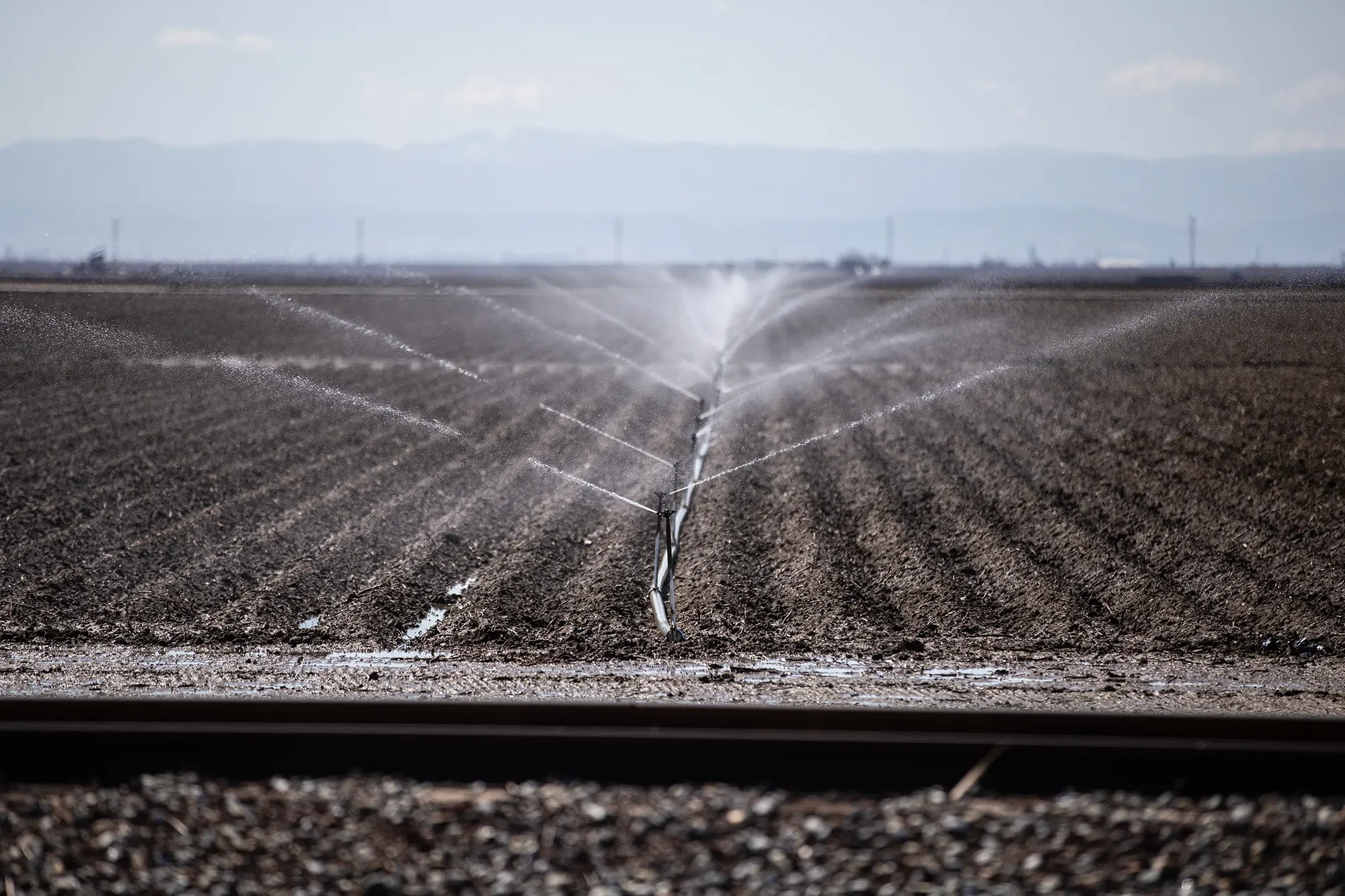
California’s future water supplies depend on the outcomes of four intertwined battles
With the Colorado River nearing a breaking point and the state weighing mandatory San Joaquin River curtailments, California faces a pivotal stretch in water policy. VX News here republishes CalMatters columnist Dan Walters' commentary on four intertwined fights over the Colorado River, Sites Reservoir, the Delta Conveyance tunnel and San Joaquin diversions, and how they will determine the state's water allocation for decades. See original article here.
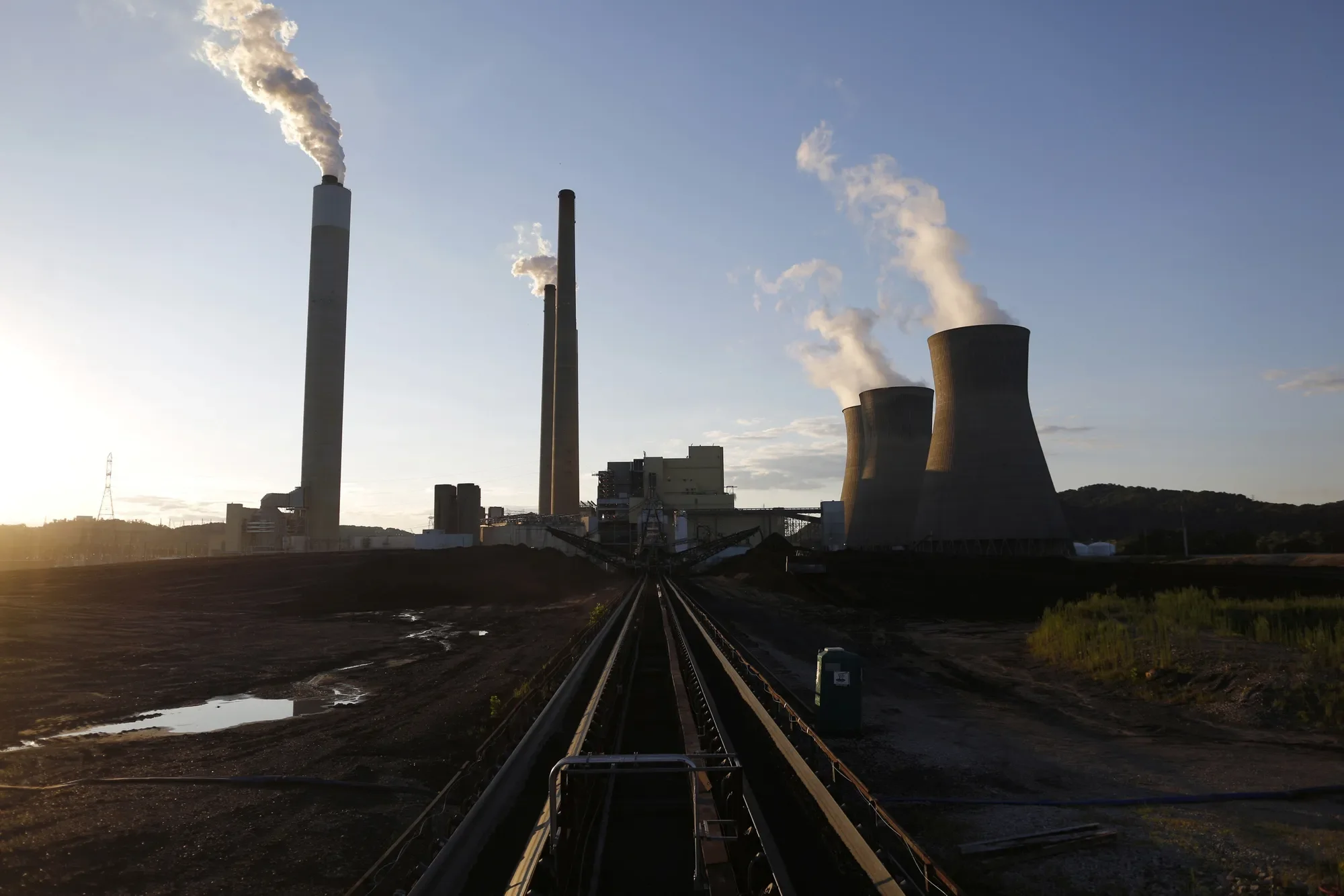
Excerpt: Trump's Climate Rollbacks Will Keep Emissions Higher for Longer
With the Environmental Protection Agency's repeal of greenhouse gas standards for existing and new fossil-fuel power plants, alongside a proposal to remove federal oversight of the nation's largest industrial emissions source, the Trump administration has now dismantled the core of the federal climate regulatory architecture, following February's rescission of vehicle GHG standards and the 2009 endangerment finding that underpinned them. VX News here republishes Bloomberg's analysis of what those rollbacks mean for the U.S. emissions trajectory. Drawing on modeling from Energy Innovation and Rhodium Group, the piece finds that decarbonization could be delayed by roughly a decade, with about one additional gigaton of CO₂ in 2040. Read the original article here.
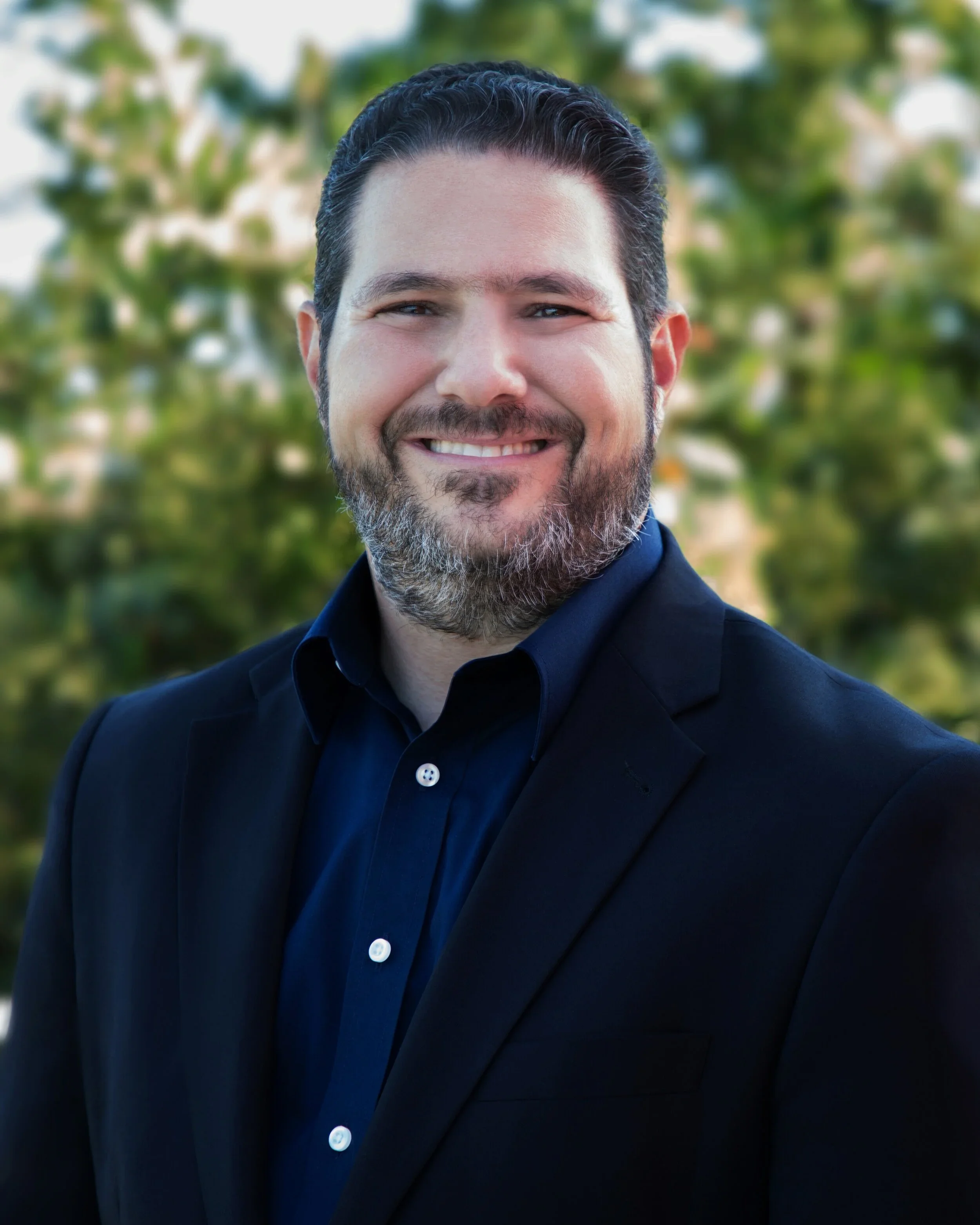
Ruben Aronin: Can State Policy/Financial Incentives Counter Fed’s EV Pullback?
As federal incentive rollbacks, tariff pressure, and automaker write-downs reshape the U.S. EV market, California is testing whether state-level policy pull & financial incentives can substitute for federal policy headwinds. In this VX News interview, Better World Group Senior Principal Ruben Aronin – architect of the Advanced Clean Cars II and Advanced Clean Fleets coalitions – outlines a 2027–2029 strategy built on point-of-sale incentives, faster charging deployment, freight beachheads at the ports, and a new revenue source capable of funding transit and electrification without pitting them against each other.

The largest clean energy investment in North American history announced by Canada’s Prime Minister Mark Carney
With electricity demand climbing across North America and critical minerals supply chains under strain, Canada is moving to underwrite new generation at a scale not attempted in a generation. VX News here republishes the Government of Canada's backgrounder on the August 17, 2026 announcement by Prime Minister Mark Carney, alongside the premiers of Québec and Newfoundland and Labrador, of up to $10 billion in federal support for a nearly $70-billion package
VX Excerpt: Beyond Watershed Planning – Engaging Communities to Improve Outcomes of the LA County’s “Safe Clean Water Program”
As stormwater capture becomes Los Angeles County's principal strategy for managing flood risk, water quality, and local supply, the question of whether Measure W dollars are being deployed at watershed scale – or project by project – has become central to the program's next decade. VX News here excerpts Beyond Watershed Planning, Los Angeles Waterkeeper's assessment of the LA County Flood Control District's Safe Clean Water Program, drawn from five community workshops across four watersheds, which finds the $280-million-a-year program too reactive in structure and recommends a proactive 20-year investment cycle, clearer metrics, stronger greening targets, and deeper community and Tribal engagement.
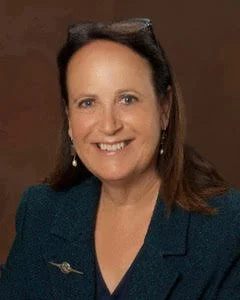
Felicia Marcus "A New Bridge With Another Expiration Date"
In conversation, Felicia Marcus, the William C. Landreth Visiting Fellow at Stanford's Water in the West program and former chair of the California State Water Resources Control Board, assesses the plan federal officials have just accepted to cut Colorado River use through 2028 which she calls a large band-aid rather than the tourniquet the basin needs. She reflects on 25 years of living beyond the river's means, the compact arithmetic that set the overallocation in motion, and the shift required from two-year interim patches toward a durable post-2026 framework. Drawing on service at the federal, state, and municipal levels, Marcus argues that Washington has abandoned the "800-pound gorilla" role that once produced the Bay-Delta Accord and the Quantification Settlement Agreement. Her prescription rests on financing and inclusion – capital to scale conservation and retrofits, and negotiations that reach past the seven state delegations to local agencies, academics, and tribes.

CARB Fleshes Out Proposed SB 253 GHG Emissions Reporting and Assurance Requirements for 2027 and Beyond, and More, at July 21 Public Meeting
VX News here excerpts a Ropes & Gray update by Michael Littenberg, Marc Rotter, and Peter Witschi that reports that at a July 21 public meeting, the California Air Resources Board presented its latest thinking on SB 253 reporting and assurance requirements starting in 2027. That law required companies with more than $1 billion in annual revenue doing business in California to disclose their Scope 1, 2, and 3 greenhouse gas emissions – which will work starting in 2027. Find the Ropes & Gray original Update on 2026 SB 253 reporting here.
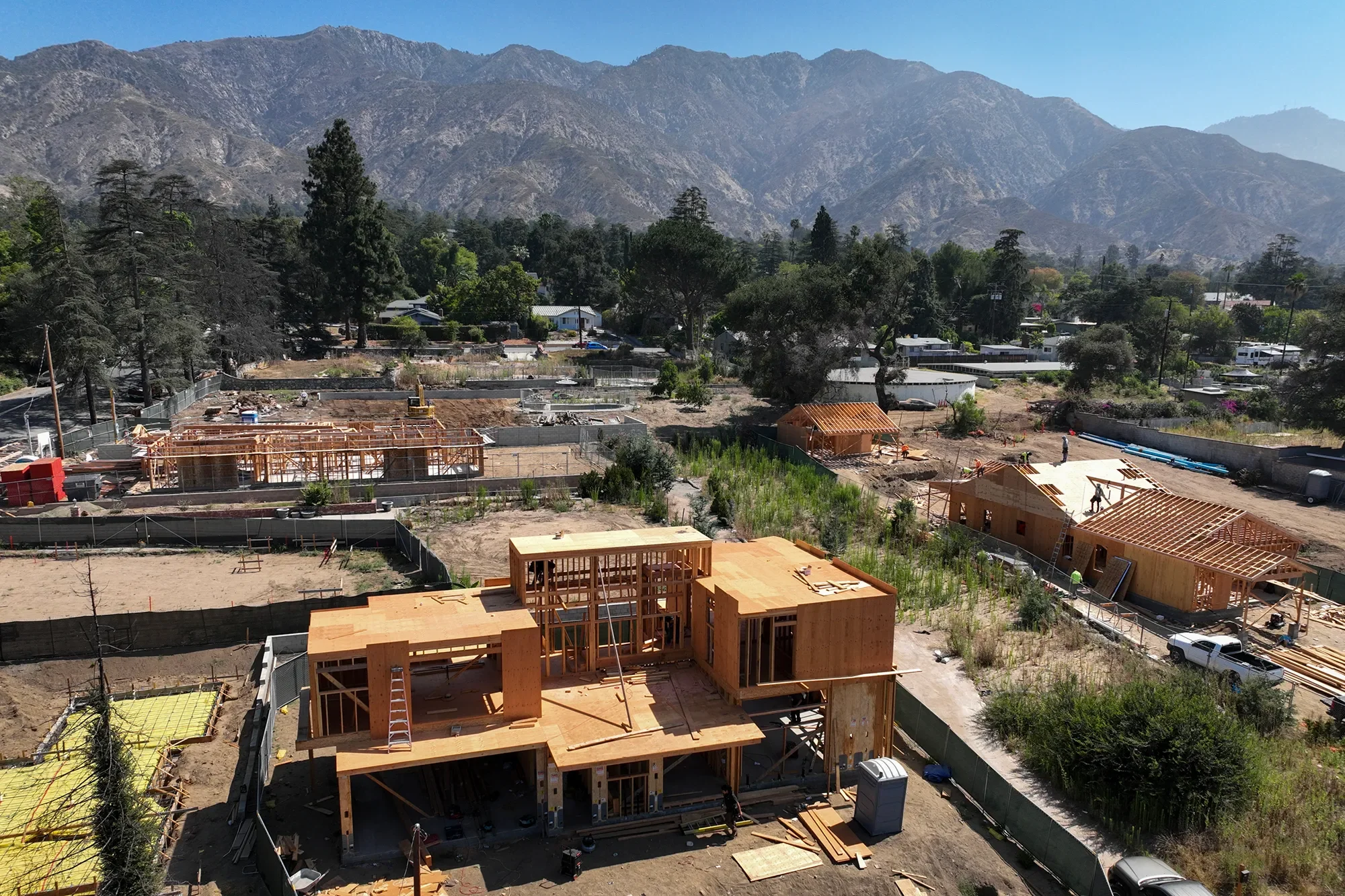
Two cities burned in LA fires settle YIMBY lawsuit
VX News here excerpts a CalMatters’ Ben Christopher feature that reports: homeowners in Malibu and Pasadena, who saw their neighborhoods burn in the Eaton and Palisades fires last year, will soon be able to build up to four units on their properties now that the two fire-scarred cities have settled a lawsuit brought by pro-development activists. In the settlement: both Malibu and Altadena agreed to repeal their local anti-duplex ordinances suspending SB 9 in post-fire very high fire hazard severity zones and accept all pending and future applications filed under the law. That five-year-old housing law makes it easier for single-family home owners to divide up their parcels and build duplexes on each lot, potentially allowing as many as four small units where local rules once allowed only one. Find the CalMatters original, here.