
VX News is the editorial voice of the annual VerdeXchange Conference, featuring in-depth interviews with industry leaders and policymakers driving innovation in clean energy, water, transportation, and climate policy.
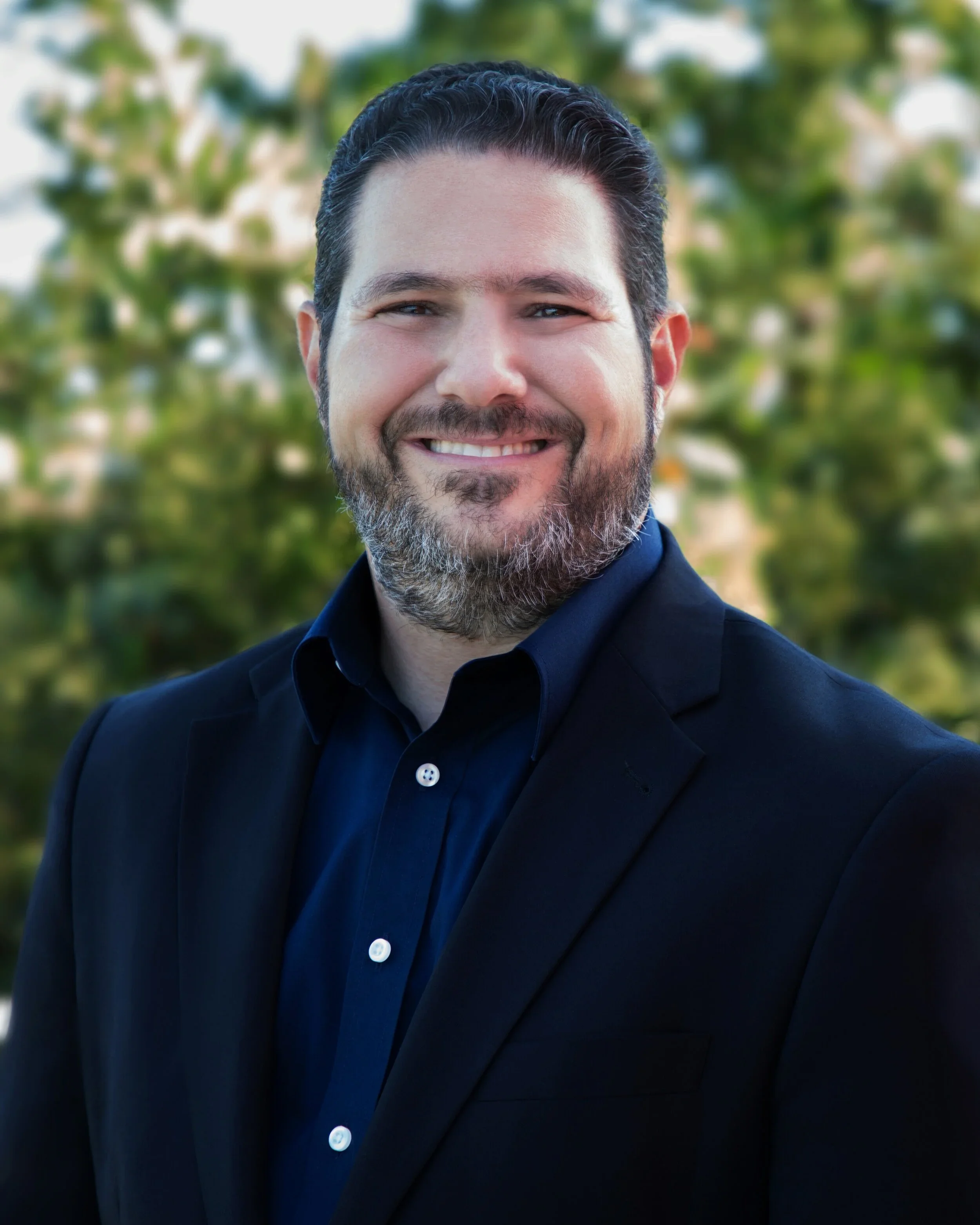
Ruben Aronin: Can State Policy/Financial Incentives Counter Fed’s EV Pullback?
As federal incentive rollbacks, tariff pressure, and automaker write-downs reshape the U.S. EV market, California is testing whether state-level policy pull & financial incentives can substitute for federal policy headwinds. In this VX News interview, Better World Group Senior Principal Ruben Aronin – architect of the Advanced Clean Cars II and Advanced Clean Fleets coalitions – outlines a 2027–2029 strategy built on point-of-sale incentives, faster charging deployment, freight beachheads at the ports, and a new revenue source capable of funding transit and electrification without pitting them against each other.

The largest clean energy investment in North American history announced by Canada’s Prime Minister Mark Carney
With electricity demand climbing across North America and critical minerals supply chains under strain, Canada is moving to underwrite new generation at a scale not attempted in a generation. VX News here republishes the Government of Canada's backgrounder on the August 17, 2026 announcement by Prime Minister Mark Carney, alongside the premiers of Québec and Newfoundland and Labrador, of up to $10 billion in federal support for a nearly $70-billion package
VX Excerpt: Beyond Watershed Planning – Engaging Communities to Improve Outcomes of the LA County’s “Safe Clean Water Program”
As stormwater capture becomes Los Angeles County's principal strategy for managing flood risk, water quality, and local supply, the question of whether Measure W dollars are being deployed at watershed scale – or project by project – has become central to the program's next decade. VX News here excerpts Beyond Watershed Planning, Los Angeles Waterkeeper's assessment of the LA County Flood Control District's Safe Clean Water Program, drawn from five community workshops across four watersheds, which finds the $280-million-a-year program too reactive in structure and recommends a proactive 20-year investment cycle, clearer metrics, stronger greening targets, and deeper community and Tribal engagement.
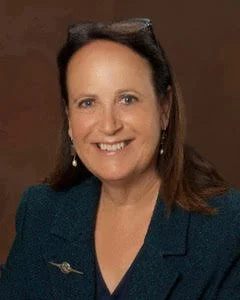
Felicia Marcus "A New Bridge With Another Expiration Date"
In conversation, Felicia Marcus, the William C. Landreth Visiting Fellow at Stanford's Water in the West program and former chair of the California State Water Resources Control Board, assesses the plan federal officials have just accepted to cut Colorado River use through 2028 which she calls a large band-aid rather than the tourniquet the basin needs. She reflects on 25 years of living beyond the river's means, the compact arithmetic that set the overallocation in motion, and the shift required from two-year interim patches toward a durable post-2026 framework. Drawing on service at the federal, state, and municipal levels, Marcus argues that Washington has abandoned the "800-pound gorilla" role that once produced the Bay-Delta Accord and the Quantification Settlement Agreement. Her prescription rests on financing and inclusion – capital to scale conservation and retrofits, and negotiations that reach past the seven state delegations to local agencies, academics, and tribes.

CARB Fleshes Out Proposed SB 253 GHG Emissions Reporting and Assurance Requirements for 2027 and Beyond, and More, at July 21 Public Meeting
VX News here excerpts a Ropes & Gray update by Michael Littenberg, Marc Rotter, and Peter Witschi that reports that at a July 21 public meeting, the California Air Resources Board presented its latest thinking on SB 253 reporting and assurance requirements starting in 2027. That law required companies with more than $1 billion in annual revenue doing business in California to disclose their Scope 1, 2, and 3 greenhouse gas emissions – which will work starting in 2027. Find the Ropes & Gray original Update on 2026 SB 253 reporting here.
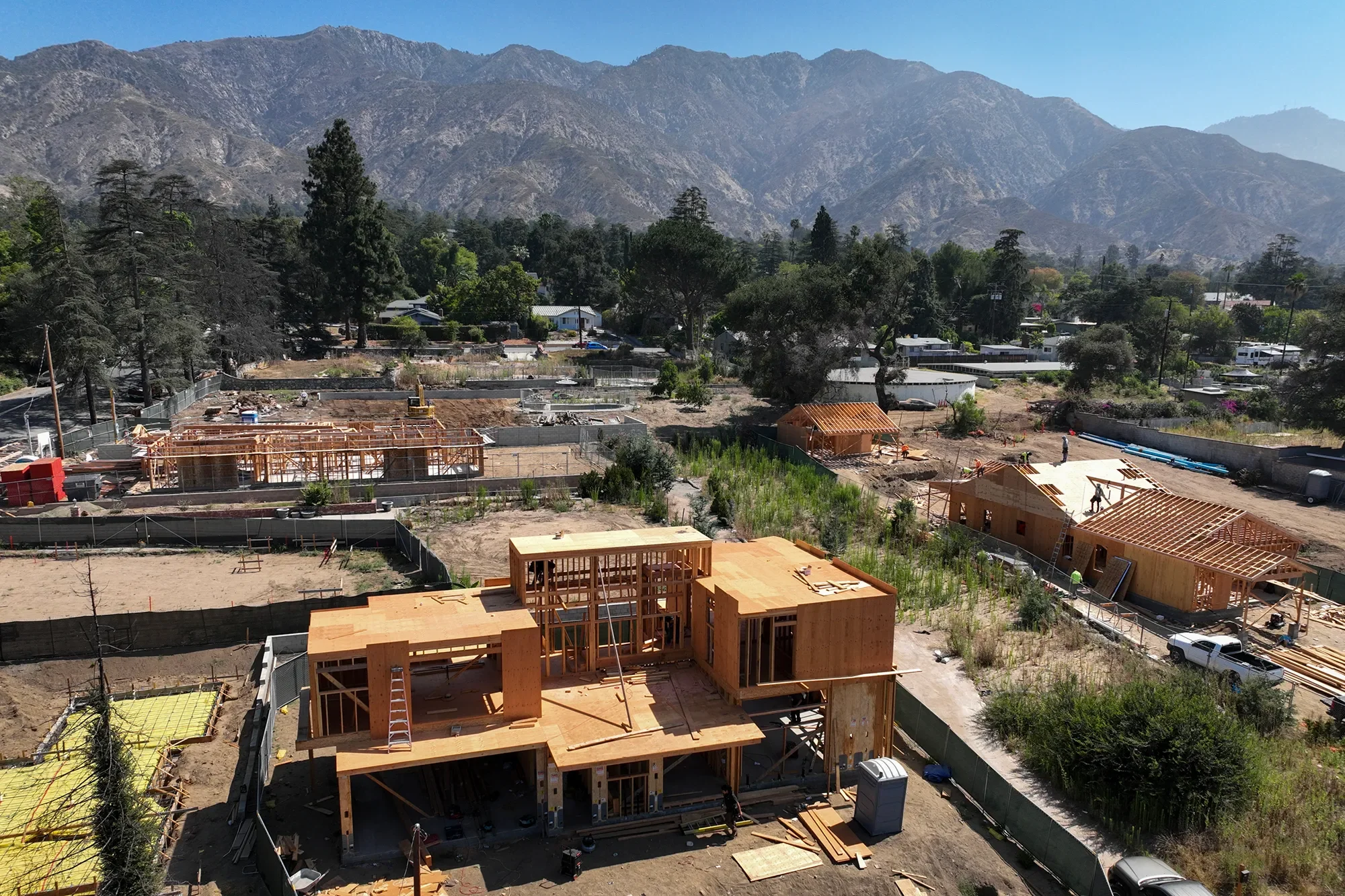
Two cities burned in LA fires settle YIMBY lawsuit
VX News here excerpts a CalMatters’ Ben Christopher feature that reports: homeowners in Malibu and Pasadena, who saw their neighborhoods burn in the Eaton and Palisades fires last year, will soon be able to build up to four units on their properties now that the two fire-scarred cities have settled a lawsuit brought by pro-development activists. In the settlement: both Malibu and Altadena agreed to repeal their local anti-duplex ordinances suspending SB 9 in post-fire very high fire hazard severity zones and accept all pending and future applications filed under the law. That five-year-old housing law makes it easier for single-family home owners to divide up their parcels and build duplexes on each lot, potentially allowing as many as four small units where local rules once allowed only one. Find the CalMatters original, here.
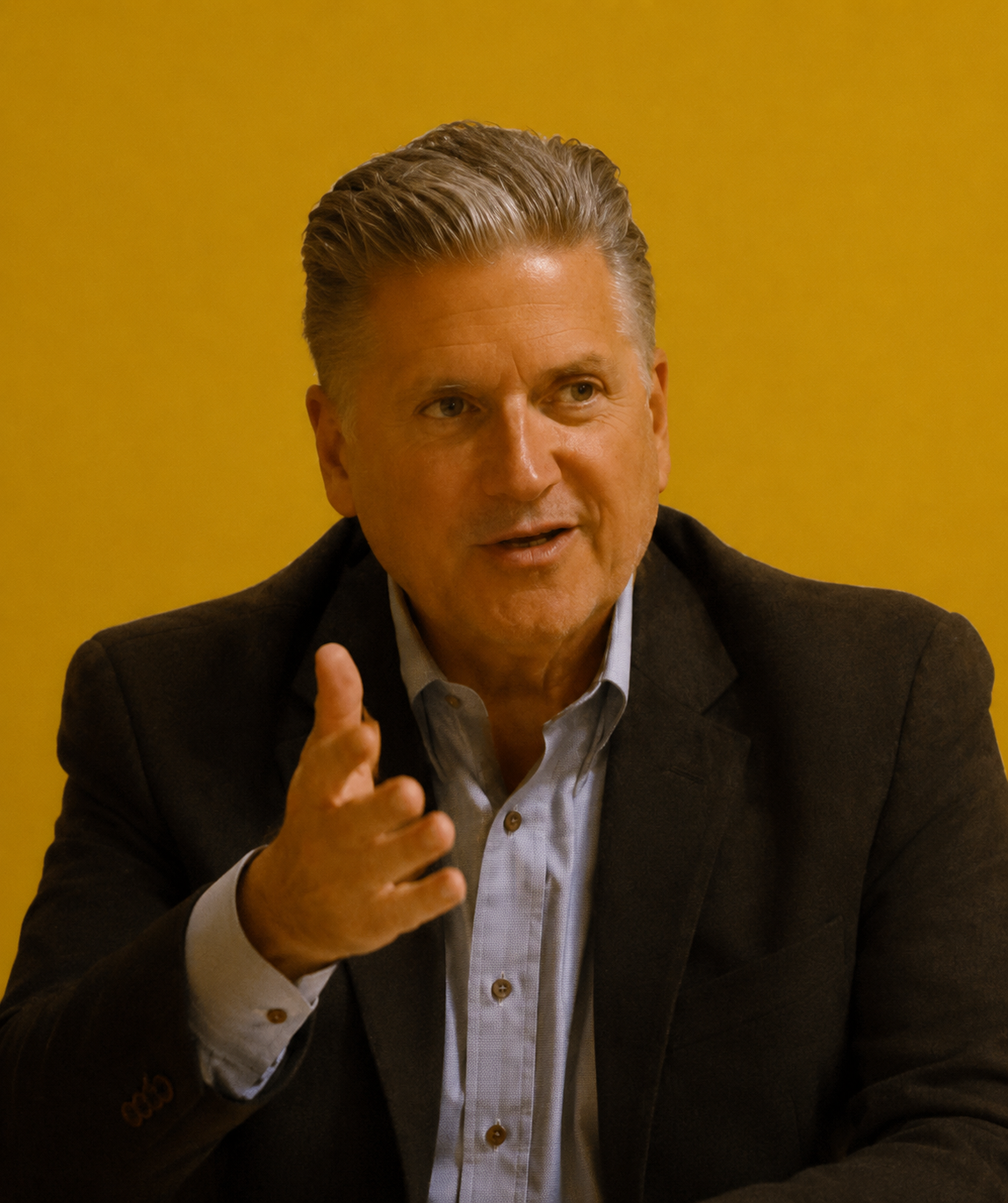
VX2026 "Affordable Housing: Is the Model Broken?": Bob Hertzberg’s Ballot-Box Missing Middle Fix
In this excerpt from VX2026's plenary "Affordable Housing: Is the Model Broken?", Robert Hertzberg, the former California State Senate Majority Leader and Senior Advisor at Mission Possible Partnership, moves past the familiar catalog of what's broken toward what he's actually building: a November 2026 ballot measure aimed squarely at the "missing middle" – the working families priced out of both subsidized affordable housing and market-rate ownership (a Revenue Bond to be paid back by homebuyers’ mortgage payments). Read along as Hertzberg lays out the five categories of housing he sees and delivers a verdict on why California's existing housing dollars aren't reaching the people they're meant to. A recording of the entire plenary can be found here.
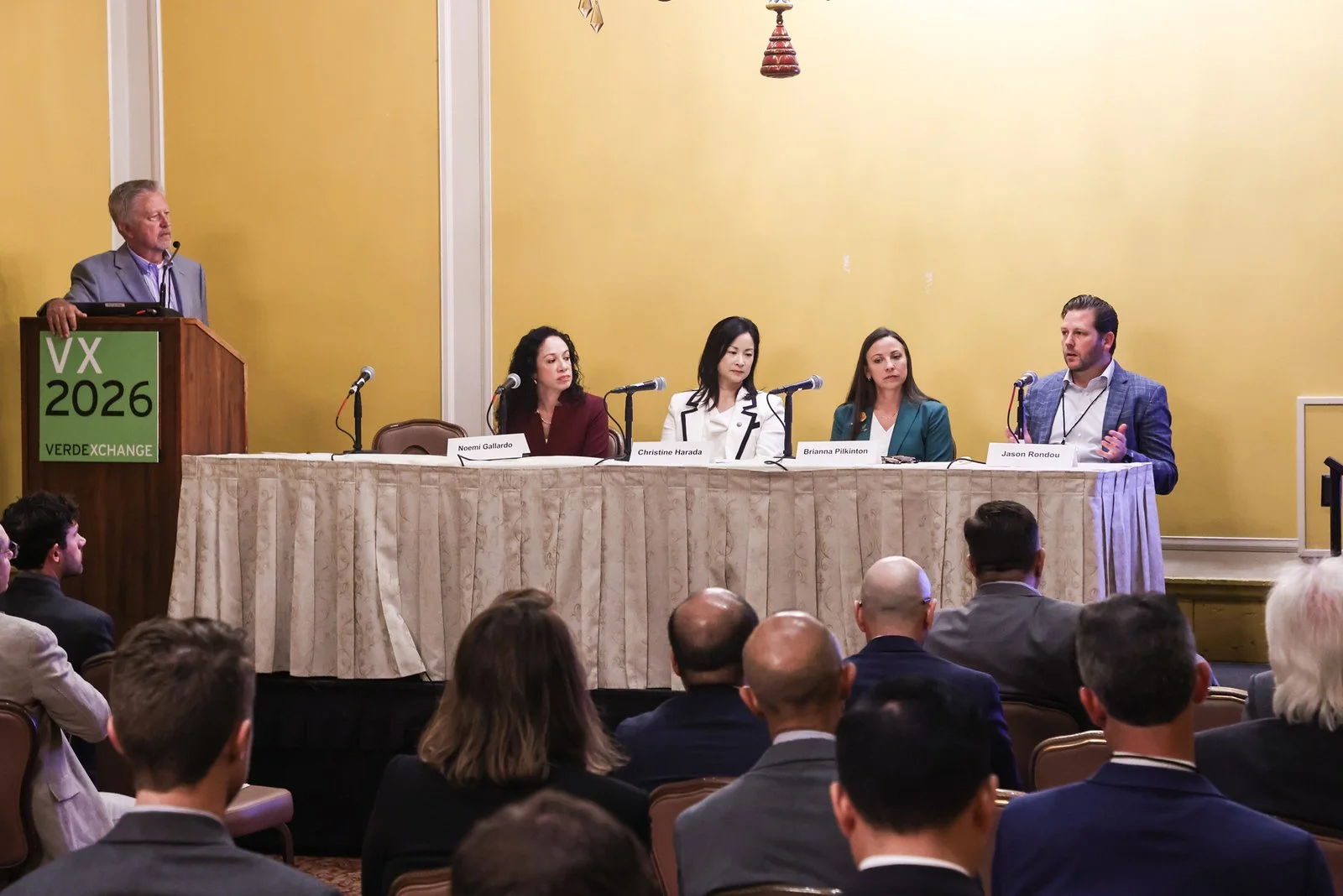
VX2026 Panel: What's Taking So Damn Long?
Moderator Jim Kelly of S&C Electric begins the "What's Taking So Damn Long? Fixing Energy Project Permitting" VX2026 panel by naming the stakes plainly: California is trying to build electrical infrastructure fast enough to meet record demand growth while the state already carries the highest electricity rates in the continental U.S. The panel brought together CEC Commissioner Noemí Gallardo, CPUC Commissioner Christine Harada, Stantec Senior Principal Brianna Pilkinton, and LADWP Interim COO Jason Rondou. To check out the full panel click here.
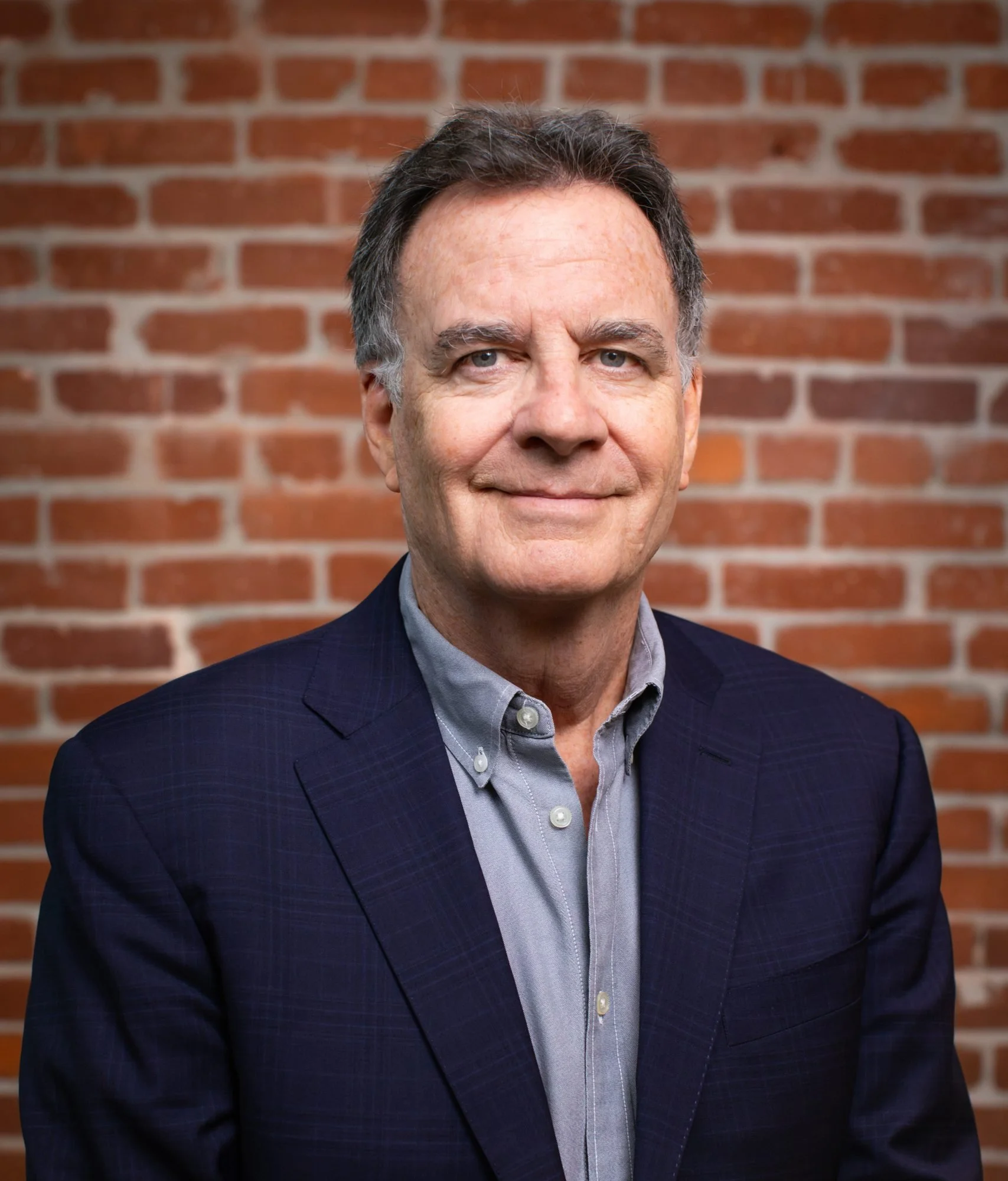
The Cost of Waiting: Larry Kosmont on PCH, Disaster Recovery Districts, and the Infrastructure Gap
Recovery does not begin with rebuilding structures. It begins with rebuilding the infrastructure that makes communities worth returning to – streets, sewers, water, power, and the systems that make a place livable and investable.
That is the argument Larry Kosmont, Chairman & CEO of Kosmont Companies, brings to VX2026. With the debris removal phase of the January 2025 Palisades and Eaton Fires now complete, and an estimated $76 to $131 billion in property and capital losses still looming over Pacific Palisades, Malibu, and Altadena, the question is no longer whether to rebuild…it is whether the financing infrastructure can move fast enough to make rebuilding possible.
Think Big, Act Boldly: What Los Angeles Must Do Now
VXNews Feature: By Climate Resolve and Resilient Cities Catalyst, Think Big, Act Boldly: Implementing Proven Solutions on Urban Fire synthesizes 14 post-fire studies and 465 recommendations into four high-impact strategies—each with clear philanthropic entry points, implementation timelines, and notional budgets. Not another diagnosis of what went wrong. A plan for what comes next.